Cute Baby Fish: A Boutique Sweatshirt Embroidery Review
First Impressions: Playful, Polished, and Purpose-Built
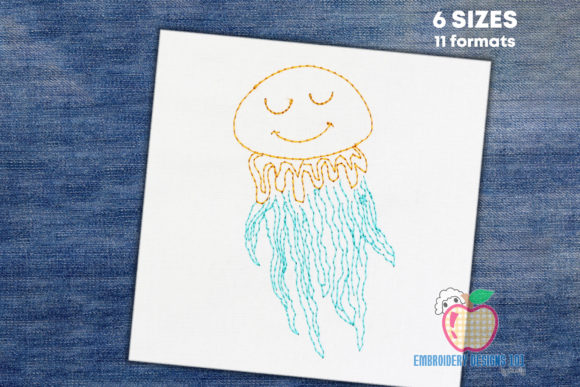
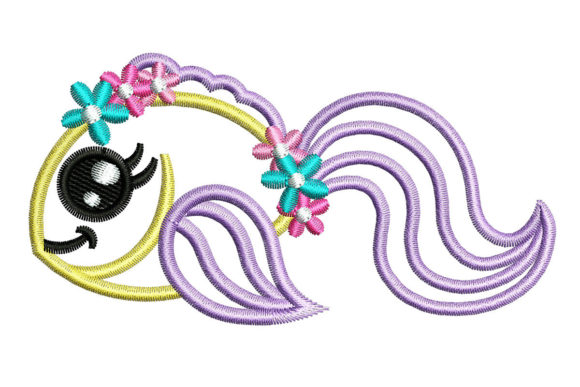
As an embroidery designer who’s developed over 200+ commercial designs for small apparel brands, my first glance at Cute Baby Fish landed exactly where it should — with a smile. This isn’t just another cartoon fish; it’s a character-driven machine embroidery design that balances simplicity and charm without sacrificing stitch integrity. The mood is undeniably playful and sweet — think soft curves, rounded fins, and expressive eyes — but the layout feels intentional, not cutesy-overload. It reads as premium at small scale (2.5”–3.5”), yet holds visual weight when enlarged for back placements on oversized hoodies. That duality is rare — and vital for boutique brands balancing handmade appeal with polished product photography.
How Cute Baby Fish Lives on Real Sweatshirts
I tested Cute Baby Fish across five fabric scenarios common in small-batch production: heather gray French terry, charcoal fleece-lined hoodie, blush pink cotton-blend, oatmeal loopback, and navy organic cotton. On neutral tones, the design shines with quiet confidence — no need for high-contrast thread to read clearly. On dark fabric? It sings when paired with tonal or slightly lifted thread colors (e.g., deep coral on navy, buttercream on charcoal). Pastel sweatshirts let the inherent “colorful and pretty” energy of Cute Baby Fish breathe — especially when stitched with matte cotton threads that catch light softly, not synthetically.
For chest placement on standard-fit sweatshirts, Cute Baby Fish lands perfectly centered below the collarbone — compact enough to avoid swallowing the neckline, bold enough to anchor the look. On oversized hoodies? It works beautifully on the left chest *or* scaled up for a subtle back motif (think upper spine, just below the hood seam). Sleeve accents? Yes — rotated 45° and reduced to 1.8”, it adds whimsy without clutter. As a hoodie design, it leans into cozy, lifestyle-friendly branding — think “slow childhood,” “gentle play,” “quiet joy.” Not loud. Not trendy. Enduring.
Stitch Personality & Production Reality
The description calls it “adorable” — and it is — but what makes Cute Baby Fish commercially viable is its stitch density and structural intelligence. From experience, overly dense fills on plush fabrics like fleece cause puckering or thread breakage during wear and wash. Cute Baby Fish avoids that trap: outlines are clean and confident, satin-stitched details (like the eye or dorsal fin) are tight but breathable, and fill areas use thoughtful underlay and strategic jump-stitch reduction. That means fewer trims, smoother hooping, and better wash durability — critical for a handmade product sold with care instructions.
Hoop size matters — and while the exact hoop size isn’t listed, the layout suggests compatibility with 4×4” or 5×7” hoops, making it accessible for home-based Etsy sellers and small embroidery shops alike. Stabilizer choice? A medium-weight cutaway works best for long-term shape retention on knits; tear-away suffices for tighter-weave cotton blends. Thread colors should lean into harmony — avoid neon unless intentionally contrasting. The design’s strength lies in its cohesion, not chaos.
Why Cute Baby Fish Builds Brand Trust
In a sea of generic animal motifs, Cute Baby Fish stands out by feeling *designed*, not assembled. That distinction elevates your small shop product. When customers see this on a sweatshirt listing — especially styled in natural light with linen napkins, wooden toys, or sunlit nursery corners — it signals intentionality. It tells them: *This wasn’t mass-sourced. It was chosen, tested, and trusted.* That builds buyer trust faster than any banner headline.
For custom apparel branding, Cute Baby Fish becomes a quiet signature. Repeat buyers begin recognizing it across your collections — on tees, backpacks, even matching parent-and-child sets. It supports visual recognition without shouting. And because it’s versatile across age groups (infants through early elementary), it extends your product lifecycle — no need to retire it after one season.
Design Assets That Deliver Beyond the Stitch
This isn’t just a digital embroidery file — it’s a brand multiplier. Use it in printable mockups for Etsy listings, layer it into lifestyle flat lays, or animate it gently for Instagram Reels showing the hoop-to-fabric transformation. Its clarity at small sizes means it translates well to packaging stickers, thank-you cards, or even embroidered hang tags. That cross-platform consistency strengthens your boutique brand identity far beyond the sweatshirt itself.
Importantly, Cute Baby Fish doesn’t demand perfection from the embroiderer — it forgives minor tension shifts and adapts gracefully to slight fabric movement. That reliability reduces rework, speeds up batch production, and protects your margins. For a commercial embroidery operation running 10–50 units/week, that’s not convenience — it’s sustainability.
A Note to Creative Entrepreneurs
If you’re sourcing this embroidery file for your own line, double-check what’s included before stitching: file formats (PES, DST, JEF, etc.), recommended thread colors, and whether it’s licensed for commercial embroidery. The description mentions it’s “perfect for children’s clothes, pajamas, backpacks, or room decor” — great context — but verify usage rights, especially if selling wholesale or internationally.
Also confirm stitch count and maximum dimensions. While Cute Baby Fish reads as optimized, every machine behaves differently — always run a test on scrap fabric that matches your final sweatshirt’s weight and texture. Fabric texture changes everything: a slubby organic knit will soften edges; a slick poly-blend may highlight satin stitch directionality. Your finished product deserves that attention.
Final Thought: More Than a Fish — A Feeling
Cute Baby Fish succeeds because it delivers emotional resonance *and* technical reliability. It’s playful without being juvenile, decorative without being fussy, colorful without being chaotic. For small clothing brands building slow, values-driven collections — especially those rooted in childhood, comfort, or mindful living — this machine embroidery design isn’t just decoration. It’s a gentle ambassador. A tiny, stitched promise of joy, care, and craft. And in today’s market? That’s not just smart embroidery. It’s smart branding.