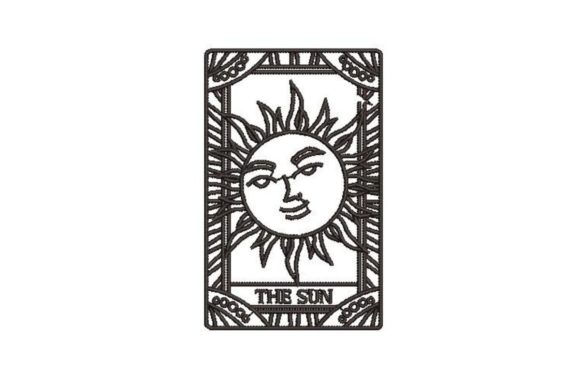
Tarot Card: A Seasonal Spark of Light
First Impressions: Bright, Uplifting, and Unexpectedly Festive
As an embroidery designer who’s built seasonal collections for over a decade, my first reaction to Tarot Card was immediate: this isn’t just spiritual—it’s *seasonal*. The Sun Tarot card radiates warmth, optimism, and joyful energy—qualities that align perfectly with holiday moods, from summer solstice celebrations to winter light festivals and New Year renewal. Visually, it reads as “cute” but not childish, “spiritual” without being solemn, and “playful” without sacrificing elegance. Its clean lines, balanced composition, and intentional negative space make it highly adaptable—not too dense, not overly delicate. It feels modern and inclusive, fitting seamlessly into both boho-chic home decor and minimalist apparel lines.
Real-World Holiday & Seasonal Use Cases
Tarot Card shines where emotional resonance meets practical gifting. On sweatshirt embroidery, it lands as a quiet confidence booster—ideal for family matching sets (think coordinating kids’ hoodies and adult crewnecks). As a tote bag design, it becomes a conversation starter at craft fairs or farmers’ markets, especially when paired with earthy linen or recycled canvas. For kitchen towel embroidery or pillow cover applications, its positivity reads as cozy self-care—a subtle nod to intention-setting during busy holiday seasons.
It’s also a standout in gift-ready product drops: embroidered patches let customers personalize backpacks or denim jackets; small hoop versions work beautifully on baby onesies or holiday ornaments (with proper backing); and scaled-up renditions add charm to aprons or table linens for festive gatherings. Etsy sellers will find Tarot Card performs well in bundles—pair it with moon phase or affirmation designs for “New Year Intention Kits,” or group it with floral motifs for spring renewal collections. Social media previews pop with this design: its bright symbolism translates clearly in thumbnail size, and printable mockups help buyers visualize it across multiple products before purchase.
Where to Use With Intention—Not Assumption
While versatile, Tarot Card demands thoughtful execution. Avoid using it on extremely small hoop sizes (under 3 inches) unless the file includes a simplified version—the sun rays and central figure may lose clarity. Tiny lettering (if included in alternate versions) should be verified for legibility on dark fabric or thick towels. Stitch density matters: if the file runs high density, test it on terry cloth or heavy cotton—we’ve seen crowding cause puckering on kitchen towels meant for frequent washing.
Be cautious with metallic thread: while tempting for holiday sparkle, metallics can snag or break on fine details like sunbeam edges. Stretchy garments (like ribbed knits or lightweight jerseys) require extra stabilizer and possibly reduced density—check how the design handles seam allowances and curved surfaces. And never skip testing on dark fabric: what reads as cheerful on white may vanish without underlay stitches or color-adjusted thread choices.
How Tarot Card Elevates Seasonal Appeal & Buyer Trust
In holiday shopping windows, Tarot Card stands out by offering meaning—not just motif. Buyers don’t just see a symbol; they feel invited into optimism, freedom, and lighthearted ritual. That emotional hook boosts giftability: it’s personal without being prescriptive, spiritual without requiring doctrine, and uplifting without cliché. For handmade gift makers and small shop owners, that translates directly to perceived value—customers pay more for items that feel intentional and resonant.
Visually, its strong silhouette ensures instant recognition—even at a glance on an Etsy listing or Instagram grid. When used consistently across a seasonal collection (e.g., same thread palette on pillow covers, totes, and patches), it builds brand consistency and repeat engagement. Customers begin associating your shop with warmth, clarity, and mindful celebration—traits that deepen trust during high-stakes holiday buying periods.
Practical Designer Notes for Seasonal Production
Before adding Tarot Card to your holiday lineup, run these checks:
- Test thread colors on both light and dark fabric—especially golds, yellows, and creams—to ensure warmth reads clearly, not washed-out or harsh.
- Confirm hoop size requirements and whether alternate sizes (e.g., 4x4, 5x7) are included in the embroidery file. Don’t assume scaling is seamless.
- Assess stitch density against your target fabric texture: lower density for terry cloth or fleece; moderate for cotton twill or linen.
- Choose stabilizer wisely: cutaway for stretchy knits, tear-away for stable wovens, and fusible + tear-away combo for lightweight silks or rayon blends.
- Create realistic mockups—not just flat renders. Show it stitched on a curved mug towel, folded pillow cover, or relaxed-fit sweatshirt to set accurate buyer expectations.
- Review small details post-stitch: sun rays, facial features (if present), and inner symbols must remain crisp after trimming and washing simulation.
- Plan cohesive color palettes across product types—e.g., mustard and oatmeal for fall, lemon and seafoam for spring, gold and charcoal for winter.
- Verify commercial licensing before selling finished seasonal products. As a digital embroidery file, its permitted use for resale must be confirmed—this protects your small shop product integrity and customer trust.
Final Thought: More Than Symbolism—It’s Seasonal Strategy
Tarot Card isn’t just another machine embroidery design. In the hands of an intentional seller, it’s a seasonal anchor—a visual shorthand for hope, clarity, and shared joy. Whether you’re curating for Etsy, prepping for a holiday craft fair, or launching limited-edition apparel, this design earns its place by balancing aesthetic appeal with emotional utility. It fits Religion category context without leaning into dogma, and it honors Embroidery as both craft and commerce. Used thoughtfully, Tarot Card doesn’t just decorate—it connects, uplifts, and endures beyond the season.