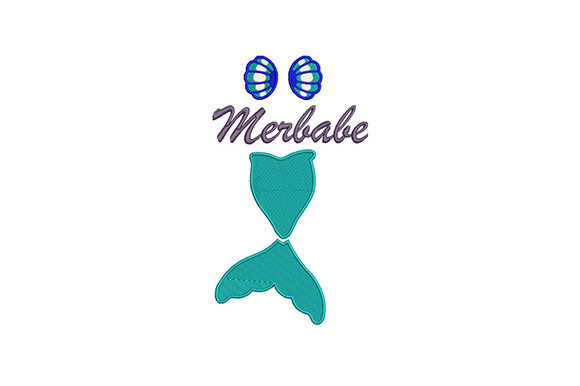
Merbabe Embroidery Design Review for Small Business Merch
First Impressions of Merbabe: A Playful and Rustic Embroidery Design
As an experienced embroidery designer, my first encounter with Merbabe was immediately engaging. The design exudes a playful yet rustic charm, making it ideal for small businesses in the Camping niche or any brand looking to add a touch of character to their merchandise. Its whimsical appeal suggests it could be a great fit for branded patches, cap accents, or even tote bag designs that want to convey a sense of adventure and creativity.
The machine embroidery design feels well-balanced, with clean lines and a friendly aesthetic that should stitch out beautifully on a wide range of fabrics. While it’s described as perfect for fishing or camping projects, its versatility makes it suitable for various commercial applications beyond outdoor themes.
Merbabe in Real Business Use: Practical Applications for Small Businesses
Merbabe offers a variety of opportunities for small business owners looking to enhance their brand identity through embroidered merch. Here are some real-world use cases:
- Embroidered Patches: As a standalone patch, Merbabe can serve as a unique logo accent on jackets, backpacks, or promotional items.
- Staff Uniforms: Adding Merbabe to aprons or work shirts can create a cohesive and memorable look for cafes, boutiques, or handmade shops.
- Cap Embroidery: Its playful nature makes it a great candidate for front cap designs, especially for local businesses targeting younger demographics.
- Tote Bag Design: Whether used as a main logo or a subtle detail, Merbabe can elevate the visual appeal of branded tote bags.
- Product Packaging Accents: For handmade brands or Etsy sellers, Merbabe could be stitched onto gift boxes or product tags to reinforce brand recognition.
- Customer Gifts: Customized items like keychains or patches featuring Merbabe can serve as excellent giveaways or loyalty rewards.
- Event Merch: For pop-up shops or local events, this design can help make branded apparel stand out among competitors.
- Etsy Branding: Handmade brands selling digital embroidery files can use Merbabe as part of a curated collection of design assets.
- Commercial Embroidery Projects: With proper testing, Merbabe can be integrated into larger embroidery runs for custom apparel or boutique merchandise.
Where Merbabe Should Be Used with Caution
While Merbabe is a versatile design, there are certain scenarios where extra attention should be given during production:
- Small Patch Sizes: Ensure the design scales well without losing clarity or detail.
- Cap Fronts: Test how the design looks when centered on curved surfaces to maintain visual balance.
- Curved Surfaces: Consider adjusting the layout for curved areas like mugs or helmets.
- Tiny Lettering: If the design includes text, confirm that it remains legible at smaller sizes.
- High Stitch Density: Evaluate whether the design may require additional stabilizer for dense areas.
- Detailed Outlines: Ensure outlines remain crisp when printed or transferred to fabric.
- Textured Fabric: Test on different materials to ensure the design stitches consistently across various textures.
- Dark Uniforms: Confirm thread color contrast for visibility on dark backgrounds.
- Frequent Washing: Choose durable thread colors that resist fading after repeated laundering.
Merbabe and Brand Identity: Building Recognition and Trust
The right embroidery design can significantly impact brand identity. Merbabe brings a sense of fun and approachability that can resonate well with customers who value handcrafted or artisanal products. When used consistently across small business merch, it helps build customer trust and visual consistency.
Whether it's a handmade product or a branded uniform, Merbabe adds a personal touch that can increase buyer engagement and product value. It’s not just about decoration—it’s about storytelling and creating a memorable experience for your audience.
Embroidery Designer Notes: Tips for Using Merbabe Professionally
Before incorporating Merbabe into your custom apparel or commercial embroidery projects, consider these practical steps:
- Test in Black and White: See if the design maintains its personality without color.
- Check Small Patch Size: Ensure it scales well for patches or cap fronts.
- Review Thread Color Contrast: Choose colors that work well with your fabric and brand palette.
- Inspect Spacing: Make sure there’s enough room for the design to stitch cleanly.
- Confirm Hoop Size: Check if the design fits within your standard hoop size or requires adjustments.
- Test on Real Fabric: Always test before full production to avoid unexpected results.
- Use Proper Stabilizer: Especially important for textured or stretchy materials.
- Create a Mockup: Provide a printable mockup for client approval before finalizing.
- Compare with Other Assets: Ensure Merbabe aligns visually with other design assets in your branding.
- Confirm Commercial Licensing: Always verify the digital embroidery file comes with proper rights for business use.
Final Thoughts: Merbabe as a Strategic Design Asset
Merbabe has the potential to be more than just an embellishment—it can become a strategic component of your brand identity. From apron embroidery to tote bag design, this playful yet professional machine embroidery design offers creative possibilities for a wide range of industries.
By carefully considering placement, scale, and material compatibility, small business owners and embroidery shops can leverage Merbabe to create finished products that stand out and reflect their brand's personality. Whether you're designing for craft business assets or event merch, this review highlights how Merbabe can be both functional and visually appealing in real-world applications.